Receiving a tornado warning in a metropolitan hub like Chicago requires a distinct approach compared to rural or suburban settings. The urban canyon effect created by high-rises, combined with the density of the population, demands a pre-planned analytical strategy to ensure safety. Residents must prioritize understanding the nuances of local alert systems and identifying structurally sound zones within the unique architecture of Chicago buildings. Recognizing the difference between a watch and a warning is the first step in mitigating risk during severe weather outbreaks.
Optimizing Interior Layouts for Immediate Shelter Access
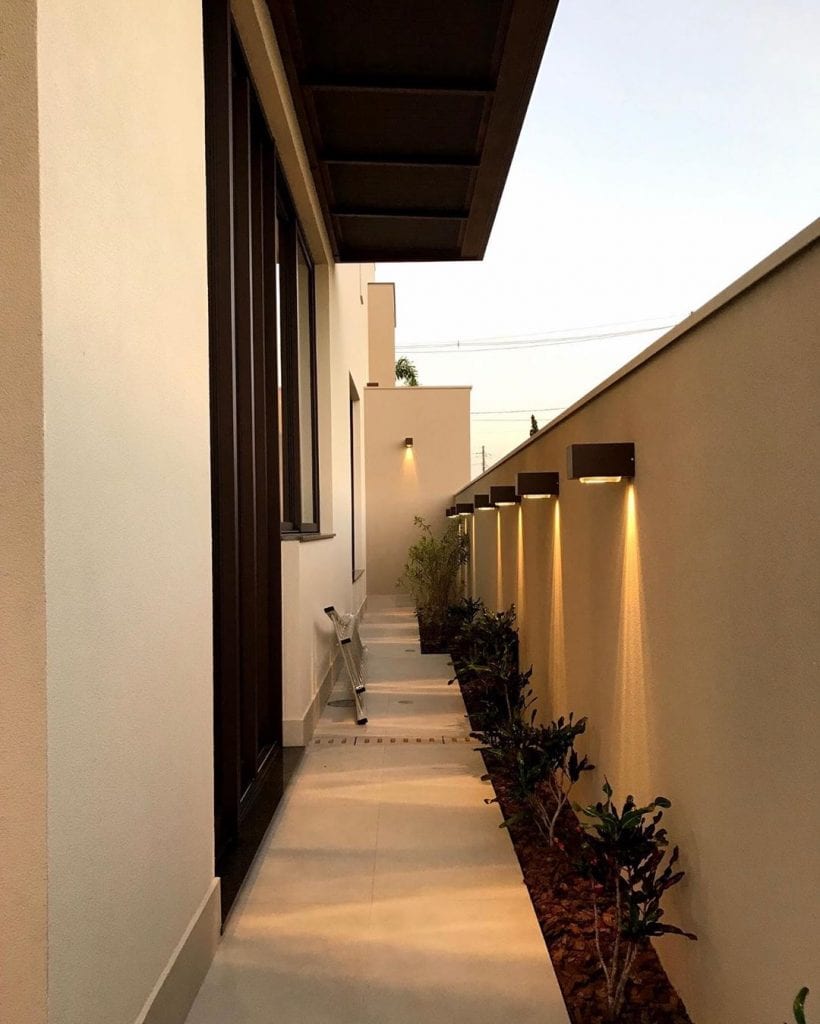
When a warning is issued, the immediate reaction must be movement toward the interior of the structure. The most effective safe zones are typically located on the lowest floor, away from windows, and centrally positioned within the building's footprint. For those living in residential apartments or townhomes, this often translates to a hallway or a windowless bathroom. It is crucial to keep these pathways unobstructed; while interior decor is important for daily living, functionality must take precedence during emergency scenarios. Ensure that heavy furniture or storage units do not block the quickest route to these interior rooms, as every second counts when seeking shelter from high-velocity winds.
Differentiating Alerts: Watches Versus Warnings
An analytical approach to safety requires a precise understanding of terminology used by the National Weather Service. A tornado watch indicates that conditions are favorable for tornado formation, necessitating that residents review their emergency plans and stay tuned to local weather channels. Conversely, a tornado warning signals that a tornado has been sighted or indicated by weather radar, requiring immediate action. In Chicago, where weather patterns can shift rapidly due to Lake Michigan, the transition from watch to warning can happen within minutes. Problem-solving in this context involves having a reliable, multi-source alert system—such as a NOAA weather radio combined with mobile emergency alerts—rather than relying on a single siren which might not be heard indoors amidst city noise.
Reinforcing Central Corridors as Primary Safe Zones

In high-rise buildings common to the Chicago skyline, getting to the ground floor may not be feasible within the short warning window. Therefore, identifying a sturdy interior corridor on your current floor is a practical alternative. Structural integrity is highest in interior stairwells and central corridors, away from glass facades that can shatter under pressure. When selecting a specific spot, look for load-bearing walls or areas that are structurally reinforced. Use this designated corridor to instruct family members or coworkers to crouch low, cover their heads, and protect vital organs. A clear, wide corridor allows for multiple people to shelter together safely, ensuring that no one is left in exposed areas like glass-walled lobbies or exterior offices.
Establishing Emergency Communication Protocols
Urban density creates a paradox where connectivity is high, but network congestion during emergencies can render standard cellular lines useless. A robust safety plan must include offline communication methods. Establish a family check-in protocol where a contact outside the Chicago area serves as the central communication hub, as long-distance calls often go through when local lines are jammed. Additionally, keep portable power banks charged and accessible; maintaining battery life on devices is critical for receiving post-storm updates. This strategy mitigates the panic associated with losing contact and ensures that accountability can be maintained once the immediate danger of the tornado warning has passed.
